
My Blog
Safe Handgun Storage at Home
March 4, 2026
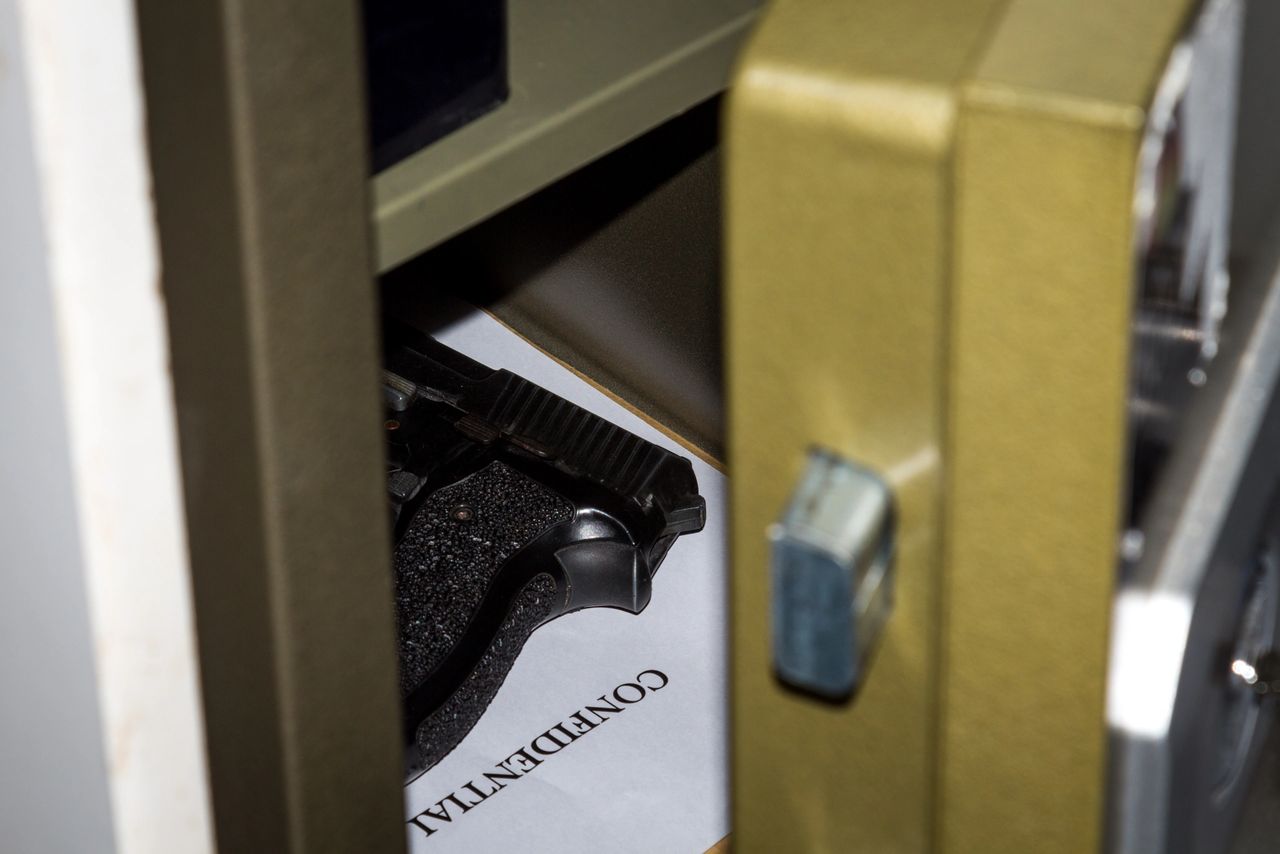
Secure and Protect: The Importance of Proper Handgun Storage
Ensuring that your handgun is stored securely is not just about compliance, it's a fundamental component of gun safety. Proper storage practices reduce the risk of unauthorized use and accidental discharge, which can have serious consequences in any household. When handguns are kept in safe, controlled environments, the likelihood of misuse decreases significantly, protecting both family members and neighbors.
In this guide section, you’ll learn how effective storage solutions not only safeguard your firearm
but also enhance overall home security. Key points include:
Accessibility vs. Security: Understand how to balance immediate access in emergencies with preventing unauthorized use.
Storage Options: Explore various storage devices such as safes and lockboxes that meet both practical and safety requirements.
Local Context: Consider regulations and community standards, especially in regions like Essex, MD, to ensure compliance with local gun safety practices.
This introduction offers a clear roadmap to achieving a safer environment by making informed decisions about handgun storage. From clarifying storage options to explaining vital safety tactics, you’ll gain actionable insights to help create a secure home setup.
Choose the Right Gun Safe: A Step-by-Step Guide
Ensuring your firearms are securely stored requires a thoughtful approach to selecting a safe. Follow these practical steps to identify the ideal gun safe or cabinet for your needs:
Assess Your Space: Start by measuring the area designated for your safe. Consider both current and future storage needs, and ensure the safe will fit comfortably in your home or designated room.
Evaluate Lock Types: Decide whether you prefer a biometric, electronic, or combination lock. Each offers distinct advantages regarding speed of access and security. Consider your daily usage patterns and prioritize ease of access without compromising safety.
Consider Size and Capacity: Think about the number and type of firearms you own. A safe that’s too small may limit your options, while one that’s too large can be unwieldy. Ensure it has adjustable interior components for flexibility.
Prioritize Accessibility and Durability: Opt for a model that offers quick access in case of emergencies and robust construction for long-term reliability. Look for features such as fire resistance and tamper-proof designs.
Following these steps will help secure your handguns at home effectively, ensuring peace of mind every day.
Essential Firearm Maintenance for Lasting Performance
Maintaining proper storage practices is key to prolonging the life of your firearms and ensuring they remain safe and reliable. Regular maintenance not only protects your investment but also reduces the risk of accidental damage. When storing your firearm securely, consider the following actionable tips:
• Keep firearms in a controlled environment: Aim for a room where temperature and humidity are consistent. Excess moisture or heat can lead to rust and deterioration, especially in regions like Essex, MD.
• Clean and lubricate regularly: Residue buildup can cause parts to stick or wear out prematurely. Use appropriate cleaning kits and lubricants designed for firearms.
• Inspect for corrosion or wear: Periodically check all parts of the gun, including the barrel, locking mechanism, and accessories, for signs of rust or damage.
• Utilize secure, specialized storage containers: Firearm safes and cabinets with dehumidifiers help maintain an optimal environment while adding an extra layer of security.
Following these guidelines will not only enhance your safety but also ensure that your firearms remain in peak condition for years to come.
Navigating Legal Compliance for Secure Home Gun Storage
Ensuring your firearm storage arrangements adhere to legal standards is essential for both safety and peace of mind. When storing handguns at home, it's crucial to understand local, state, and federal regulations. Local jurisdictions, such as Essex, MD, have guidelines designed to protect homeowners and the community. Begin by reviewing your state’s specific requirements to avoid potential legal pitfalls.
Key considerations include:
Secure Containers: Invest in certified gun safes or lockboxes that meet or exceed regulatory standards.
Access Control: Ensure that only authorized persons have access to firearms, using biometric locks or combination systems.
Trigger Locks and Cable Locks: Utilize additional safety devices to prevent unintended use.
Record Keeping: Maintain detailed logs of storage practices and any firearm transactions.
Following these steps not only aligns with legal mandates but also reinforces best practices in gun safety. By integrating secure storage methods into your daily routine, you effectively minimize risks and foster a safer environment at home. Emphasizing compliance helps you stay prepared and informed as firearm legislation continues to evolve.
Frequently Asked Questions on Secure Handgun Storage
Q1: What makes secure handgun storage critical at home?
Storing a handgun safely is essential to prevent unauthorized use and accidental injuries. Reliable storage solutions add an extra layer of protection for you and your loved ones.
Q2: What are the top practices for effective handgun storage?
Consider using specialized lockboxes or safes, keeping ammunition separate, and frequently checking your storage equipment for damage or wear.
Q3: How do local guidelines influence storage methods in areas like Essex, MD?
Local regulations and community safety standards may require homeowners to adopt additional security measures. Adjusting your storage setup to follow these guidelines helps maintain compliance and community safety.
Q4: Which storage methods work best for different handgun models?
Tailor your storage solution by evaluating handgun size, weight, and handling mechanism. Choosing a model-specific storage option enhances overall firearm security.
Q5: What steps can families take to prevent accidental access?
Store firearms out of reach
Use biometric or combination locks
Educate household members about gun safety
Q6: How often should safe storage practices be reviewed?
Regularly assess and update your storage methods to keep pace with evolving safety standards and ensure ongoing protection.
Wrap-Up: Secure Your Future with Responsible Handgun Storage
Reflecting on the guidance shared, it’s clear that responsible handgun storage is not just a precaution, it’s a critical habit for preventing accidents and misuse. As you review the key points from this guide, remember that secure storage safeguards lives and contributes to a safer community in Essex and beyond.
Key takeaways include:
Always store handguns and ammunition separately in locked, secure locations.
Regularly inspect your storage devices to ensure they are in optimal working condition.
Consider safety measures such as biometric safes or other advanced locking systems to prevent unauthorized access.