My Blog
Mastering Firearm Safety: A Comprehensive Guide
January 14, 2026
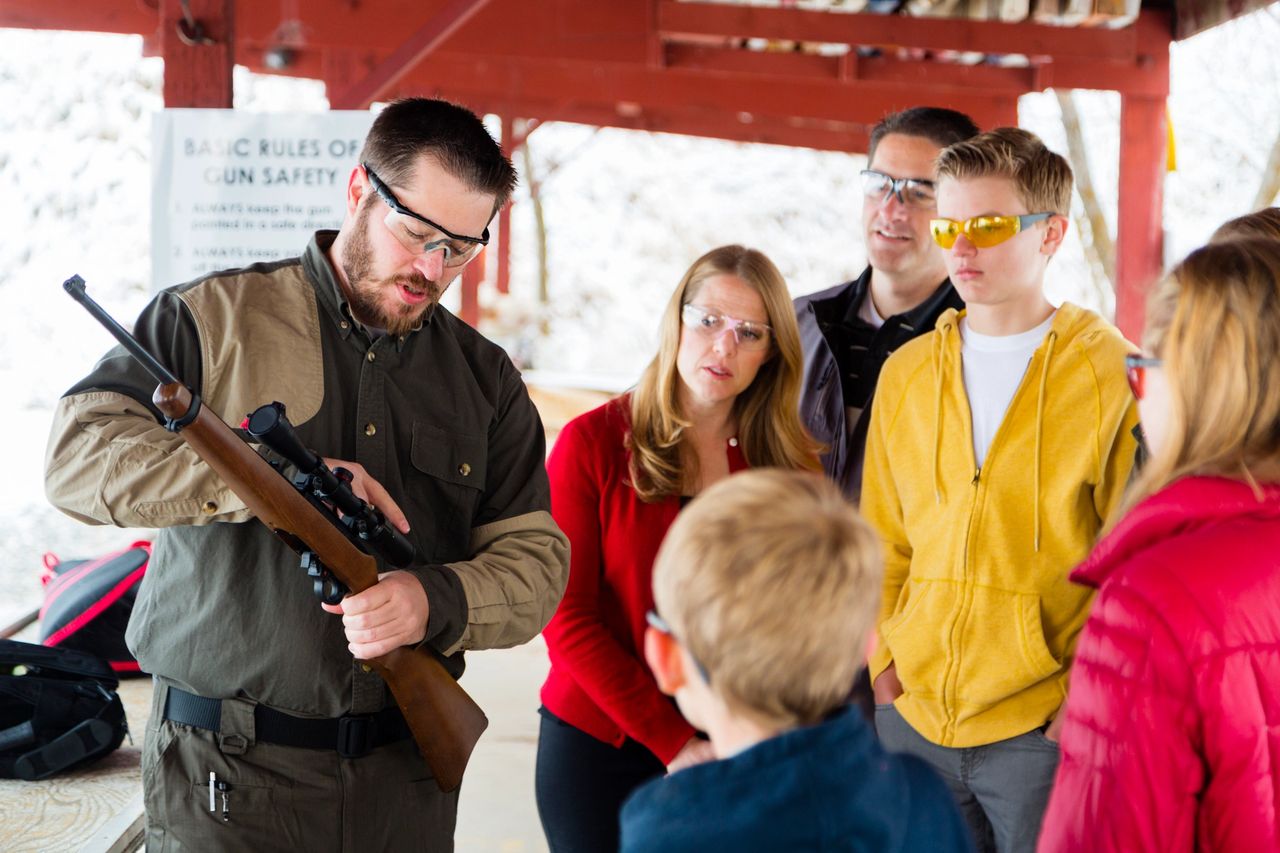
A Foundation of Responsibility
Firearm safety is more than a series of rules—it’s a commitment to responsible ownership and community well-being. In today’s world, ensuring that every individual understands safe handling, proper storage, and credible training is essential. This introduction sets the stage for exploring the critical practices that help prevent accidents and build trust within local communities such as Essex, MD. A strong safety mindset not only protects you but safeguards families and neighborhoods.
Within this guide, you will learn:
How to implement effective safety protocols before, during, and after shooting practice.
The importance of maintaining secure storage to minimize risks.
Practical techniques for safe handling that can be immediately applied on the range.
Ways to integrate community-focused training programs into daily life.
By addressing these key areas, the guide offers actionable tips and insights tailored to firearm enthusiasts and professionals alike. As you continue reading, expect clear, industry-relevant advice that empowers you to master the essentials of firearm safety and foster a secure environment for all.
Secure Your Home: A Step-by-Step Safety Plan
Enhancing firearm safety at home is essential for protecting your loved ones and maintaining peace of mind. Follow these clear and actionable steps to build a secure and well-prepared environment:
Assess Your Environment: Start by evaluating the layout of your home, paying special attention to vulnerable access points. In areas like Essex, MD, consider room-specific risks and identify secure zones for firearm storage.
Implement Proper Storage: Invest in a reliable firearm safe or lockbox that meets security standards. Store firearms and ammunition separately, and always ensure that locks are disengaged only by authorized individuals.
Perform Regular Inspections: Routinely check your safe or lockbox for any signs of wear and ensure that safety devices are operational. Document any adjustments or maintenance for future reference.
Establish Clear Safety Protocols: Create a household safety plan that includes:
Confirming firearms are unloaded during inspections.
Teaching all family members proper handling techniques.
Reviewing emergency response procedures quarterly.
By following these structured steps, you can significantly reduce risks and foster responsible firearm ownership in your home.
5 Community Benefits of Gun Safety Education
In today’s communities, expanding gun safety education offers a range of benefits that resonate beyond individual training. By learning proper firearm handling and storage practices, residents in areas like Essex, MD, can contribute to a safer and more vigilant neighborhood. Here are five key advantages:
Enhanced Public Safety: Educated community members are better equipped to prevent accidental discharge and misuse, fostering a secure environment where everyone feels protected.
Strengthened Community Standards: Comprehensive training cultivates a culture of responsibility, setting clear safety benchmarks and encouraging peers to uphold best practices in firearm usage.
Improved Emergency Preparedness: With practical safety education, individuals can act with confidence during unexpected situations, better assisting local emergency response teams when needed.
Empowered Civic Engagement: Informed citizens are more likely to participate in shaping local safety policies, ensuring that community voices influence the development of effective protection measures.
Increased Social Cohesion: Shared educational experiences help build strong social bonds among residents, contributing to a united and resilient community that values safety and mutual support.
What defines proper firearm handling practices?
Proper firearm handling means treating every weapon as if it is loaded, keeping your finger off the trigger until ready to fire, and always pointing the weapon in a safe direction. Individuals must focus on maintaining situational awareness and following established protocols during any training or real-life scenario.
What essential safety equipment is recommended?
Every responsible firearm owner should invest in quality safety equipment. Essential items include eye and ear protection, trigger locks, and secure storage options. These accessories help minimize risks whether at an indoor shooting range or practicing at home in Essex, MD.
How can beginners initiate firearm training?
Starting with a certified training program is crucial. Beginners will learn safe handling techniques, basic shooting stances, and practical drills to build confidence and accuracy. Hands-on exercises paired with classroom instruction make the foundation of safe usage.
What measures ensure secure storage of firearms?
Secure storage involves using appropriate safes or lockboxes and ensuring firearms are unloaded before storage. Regularly reviewing storage practices further reduces risk of unauthorized access.
Why is ongoing education vital in firearm safety?
Continuous education reinforces best practices and adapts to evolving safety standards. Enrolling in refresher courses and staying informed on updated protocols is key to lifelong firearm safety and responsible ownership.
Strategic Considerations for Your Firearm Safety Training Program
Selecting the right firearm safety training program is a crucial step toward effective and responsible firearm ownership. When evaluating training options, consider these key factors:
Accreditation and Certification: Ensure the program is recognized by relevant governing bodies. Programs with proper accreditation often follow rigorous standards, offering you reliable and up-to-date safety practices.
Instructor Experience: Look for courses led by seasoned professionals who combine real-world experience and expert guidance. This blend ensures that both theoretical knowledge and practical skills are covered.
Tailored Curriculum and Practical Drills: A robust course should offer personalized training modules and hands-on exercises. This approach not only builds confidence but also prepares you for unforeseen scenarios.
Local Relevance: For residents in areas like Essex or the broader MD region, ensuring the course aligns with state and local firearm regulations is essential. It helps you stay compliant with local laws while maximizing your safety.
Flexible Scheduling: Programs that accommodate various schedules and learning paces enable you to integrate training seamlessly into your life.
These considerations empower you to select a training program that best meets your needs and enhances your competence as a responsible firearm owner.
Embracing Responsibility for a Safer Community
In today's evolving landscape, responsible firearm ownership is paramount for enhancing public safety. Owners must embrace a proactive approach that prioritizes education, training, and ethical conduct. This commitment not only minimizes accidents but also fosters a sense of community trust and accountability. Understanding and practicing secure storage, regular maintenance, and proper handling techniques are essential steps every firearm owner should take.
Key actions include:
Regular Training: Engage in continuous safety courses and hands-on practice at local facilities.
Safe Storage: Utilize approved security devices to prevent unauthorized access.
Community Engagement: Participate in local safety initiatives and awareness programs.
Risk Assessment: Regularly evaluate personal handling practices to ensure they meet current safety standards.
Residents in regions like Essex, MD, and across the US will benefit when owners adopt these measures. Focusing on responsible ownership creates environments where everyone feels protected and well-informed about the potential risks. Local community workshops and practical demonstrations offer actionable tips to navigate the complexities of firearm safety in daily life while contributing to a secure future for all.
Wrapping Up: Your Next Steps to Enhanced Safety
In conclusion, responsible firearm education is the cornerstone of assured safety and effective use. Throughout the guide, the focus has been on understanding practical gun handling techniques, strict adherence to safety protocols, and the importance of comprehensive training before engaging with any firearm. Key takeaways include the significance of regular practice, maintaining discipline, and being proactive in addressing potential hazards.
To put these safety measures into practice, consider the following actions:
Enroll in reputable training courses to sharpen your skills and stay updated on safety standards.
Engage with local communities, such as those in Essex, MD, to exchange best practices and practical insights.
Review and update your safety protocols periodically, ensuring they meet current industry standards.