My Blog
Master Gun Safety: Essential Guide
March 4, 2026
Secure Beginnings: Your Essential Introduction to Gun Safety
Welcome to a deep dive into the crucial world of gun safety, a subject that not only protects lives but empowers individuals to confidently handle firearms. In today’s environment, understanding proper gun safety protocols is paramount, especially for those in areas like Essex, MD, where community values and responsible practices are central. This comprehensive guide sets the stage for exploring practical safety measures, training tips, and essential protocols that every firearm owner should know.
In this section, you will uncover:
The importance of combining practical skills with foundational safety principles.
Key objectives of safety training that reduce risk and foster confidence.
How a structured approach to gun safety can transform everyday handling practices.
As you engage with this content, you'll learn actionable strategies, guidelines, and step-by-step procedures designed for real-world application. This isn’t just a refresher course, it’s a journey into understanding the rigorous standards that underpin safe firearm management. Get ready to build a solid foundation, increase your awareness, and adopt practices that ensure safety at home, at the range, and within your local community.
Essential Gun Safety Fundamentals
Understanding and following basic gun safety protocols is critical for every firearm owner. Whether you’re at your local range in Essex or practicing at home, knowing and applying these safety measures is foundational. Effective gun safety begins with a commitment to responsible handling and continual education. First, always assume that every firearm is loaded until you’ve personally confirmed otherwise, and secure your weapon using appropriate safes or lockboxes.
Key safety practices include:
Always point the muzzle in a safe direction: This minimizes the risk of injury if an accident occurs.
Keep your finger off the trigger until ready to shoot: This prevents unintentional discharge.
Store ammunition separately from the firearm: This reduces the chance of accidental use.
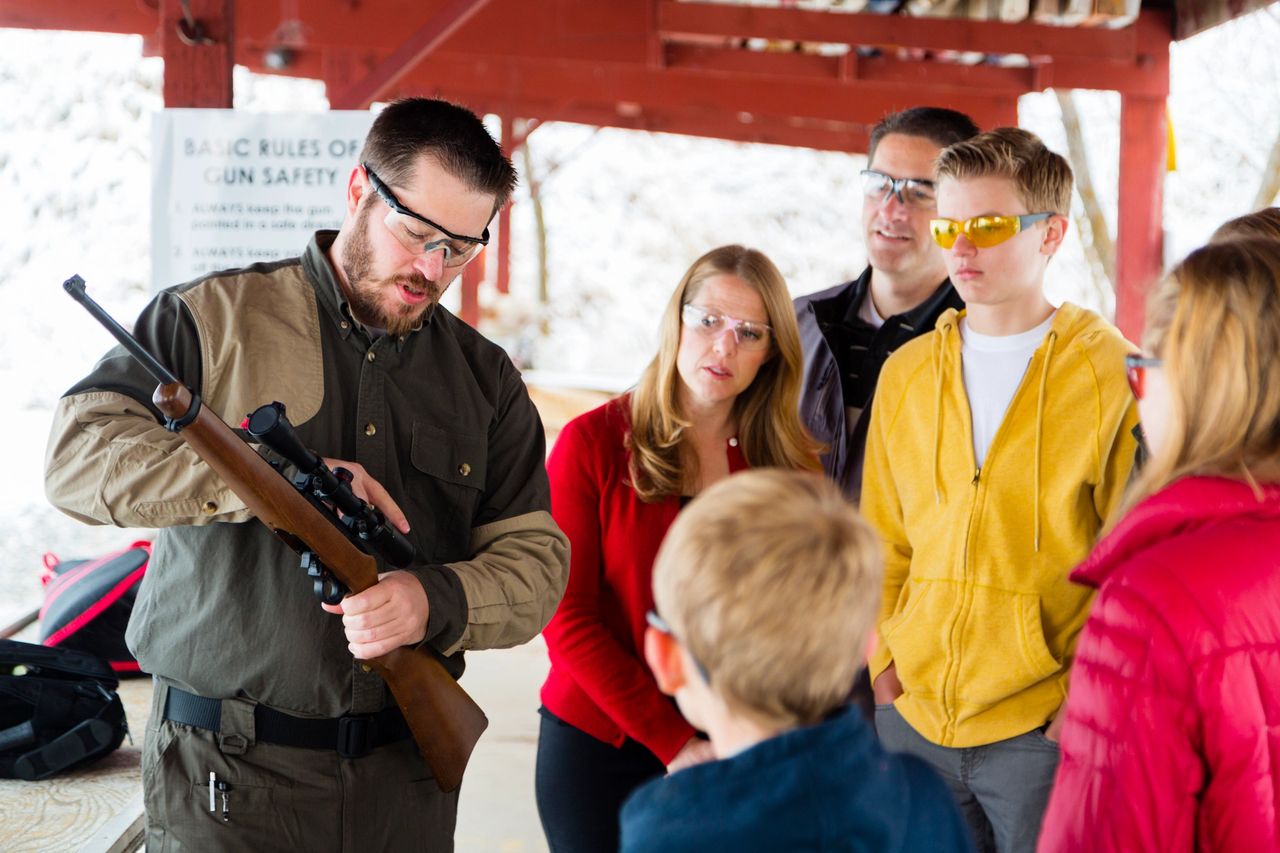
Wear proper eye and ear protection: Whether you’re at a local range or in your backyard, protecting yourself is non-negotiable.
By integrating these guidelines into your routine, you create a proactive environment that prioritizes the safe, responsible handling of firearms. Living in areas like Essex, MD, or elsewhere, adherence to these practical tips not only enhances personal safety but also contributes to a culture of preparedness and respect in the community.
Advanced Techniques for Gun Safety Mastery
Delve into a deeper level of understanding with advanced gun safety techniques designed for experienced shooters. This section offers practical insights and actionable tips that empower seasoned users to refine their skills and ensure the highest levels of personal and community safety. With a focus on in-depth handling methods, proper storage protocols, and situational awareness, these advanced practices go beyond basic safety guidelines.
Key Advanced Safety Approaches:
Enhanced Handling Drills: Incorporate scenario-based training to improve reaction times and precise control during high-stress situations.
Targeted Maintenance Routines: Regular, advanced cleaning and inspection techniques help maintain weapon integrity and reliability.
Adaptive Storage Solutions: Utilize secure storage methods that allow for both quick access and prevention of unauthorized use.
For individuals in Essex, MD, and beyond, integrating these techniques into regular practice not only sharpens proficiency but also reinforces responsible gun ownership. By continuously upgrading your safety protocols, you contribute to a more secure community and protect against common hazards. Embrace these advanced strategies as part of your ongoing commitment to optimal gun safety practices.
Mastering Safe Handling: Sidestep Common Gun Safety Pitfalls
Navigating the world of firearms requires heightened awareness and the correct application of safety protocols. Many gun enthusiasts inadvertently fall prey to frequent mistakes that can lead to severe consequences. Understanding these pitfalls is essential for any responsible gun owner, especially when training in areas like Essex, MD.
One common error is failing to treat every firearm as if it were loaded. This oversight can lead to negligent handling, increasing the risk of accidents. Similarly, improper finger placement on the trigger and neglecting to maintain a secure grip can have dangerous outcomes during high-pressure situations.
To avoid these mistakes, adhere to the following actionable steps:
Always check your firearm before use.
Keep your finger off the trigger until you are ready to shoot.
Engage safety mechanisms and ensure proper storage when not in use.
Regularly review and update your safety training.
Embracing these practices not only improves your safety but also fortifies confidence in your handling skills. Continuous training and vigilance are the cornerstones of responsible gun ownership, ensuring a safer experience for you and those around you.
Demystifying Gun Safety Language
Navigating the world of gun safety starts with understanding its specialized terminology. Whether you're a seasoned enthusiast or a newcomer in places like Essex and throughout Maryland, grasping these terms is key to mastering safety practices. Gun safety jargon often sounds complex, but breaking it down into everyday language can make all the difference.
Here are several essential terms explained simply:
Action: The mechanism that loads, fires, and ejects spent cartridges.
Caliber: The measurement referring to the bullet's diameter, a key factor in selecting appropriate ammunition.
Chamber: The part of the firearm where the round is loaded before firing.
Safety: A built-in device designed to prevent accidental discharge, integral to responsible handling.
Holster: Custom-designed gear that securely holds a handgun, ensuring safe storage and quick access.
Understanding these basic terms enhances both safety and confidence when operating firearms. This clear breakdown encourages informed decisions and effective training, helping you approach gun safety with practical and actionable insights. Whether attending local safety courses or self-studying at home, this simplified language builds a strong foundation for safe firearm practices nationwide.
Frequently Asked Gun Safety Questions
What are the core principles of firearm handling?
Every responsible gun owner should follow the key safety rules: treat every firearm as if it’s loaded, keep the muzzle pointed in a safe direction, and secure your weapon when not in use. These guidelines form the backbone of effective safety training.
How can I ensure my training program is comprehensive?
A quality program covers safe handling, proper storage, immediate responses to emergencies, and regular practice. Look for courses that offer practical, hands-on training and emphasize continuous learning to keep skills sharp.
What local safety resources are available in areas like Essex, MD?
In regions such as Essex, MD, there are certified instructors and designated shooting ranges where you can practice under expert supervision. Local training centers provide courses that adapt to regional laws and considerations.
What common misconceptions should I be aware of?
Many believe that once-certified, further education is unnecessary. In reality, ongoing practice and regular refreshers help maintain critical safety standards and adapt to evolving practices.
How do I safely maintain and store my firearm?
Regular maintenance, cleaning, inspection, and secure storage, ensures reliability and prevents accidents, rounding out a comprehensive approach to gun safety.
Conclusion: Embrace Lifelong Learning for Gun Safety Mastery
As you wrap up your exploration of effective gun safety practices, remember that education is the cornerstone of responsible firearm handling. Continuous learning not only enhances your skills but also builds the confidence needed to navigate diverse situations safely. A well-informed approach can significantly reduce risks and improve decision-making in real-world scenarios.
Key takeaways include:
Regularly update your training to stay current with emerging safety techniques.
Engage in community workshops, local seminars, and expert-led sessions in your area.
Practice routine safety drills to reinforce good habits and ensure preparedness.