My Blog
Key Firearms Safety Principles
March 7, 2026
Safe Beginnings: Embracing Responsible Practices
Firearms safety is more than a set of rules, it’s the cornerstone of confident and responsible gun ownership. In this opening section, we explore how foundational training and a commitment to safety can transform your approach to handling firearms. As you step into the world of gun safety, you'll discover practical tips that are essential whether you’re at a local range or managing firearms in your own home.
Here’s what you can expect to learn:
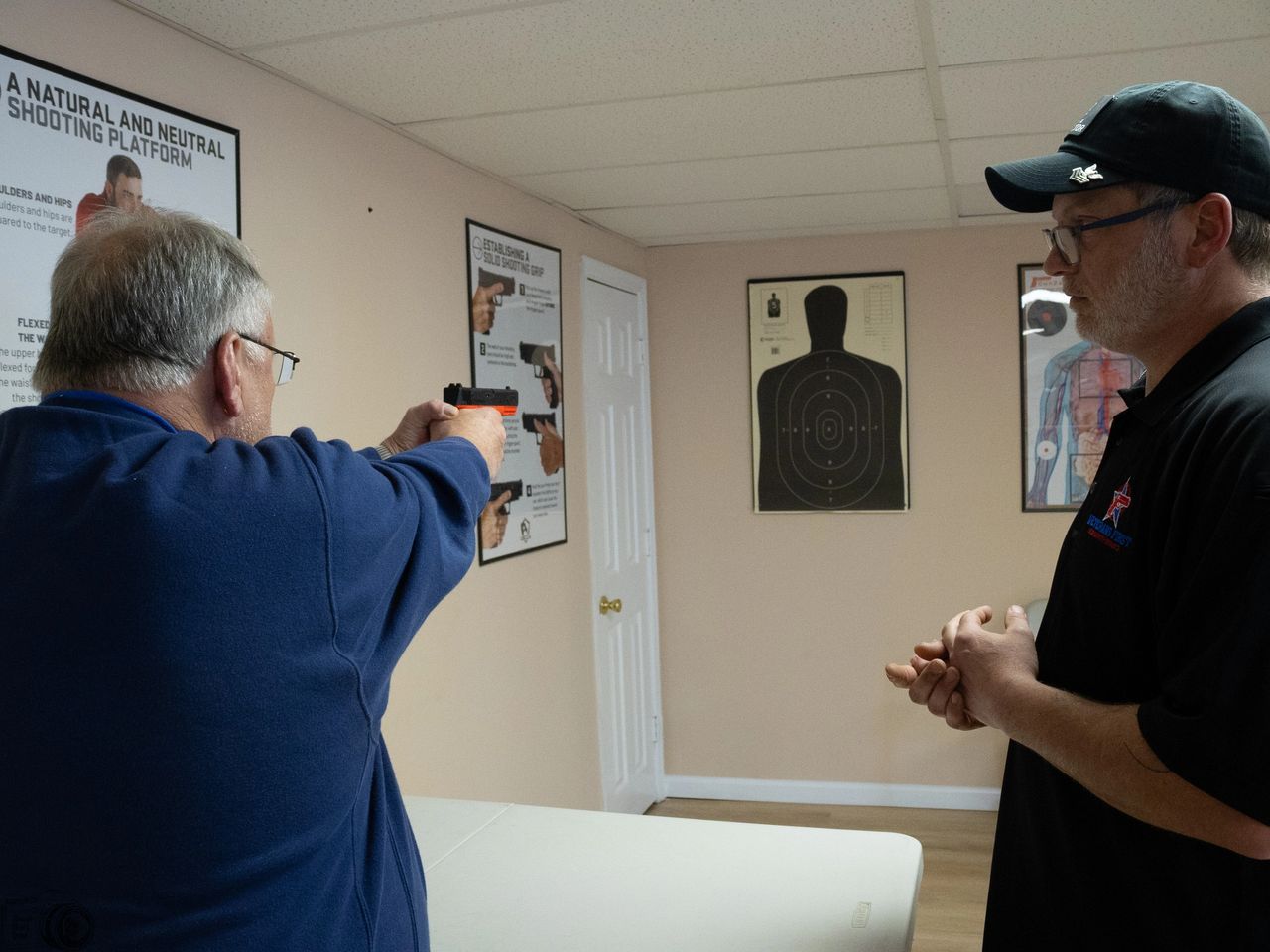
Handling Techniques: Understanding the correct way to grip, aim, and operate a firearm safely.
Secure Storage: Methods for keeping firearms inaccessible to unauthorized users while ensuring quick access in emergencies.
Risk Mitigation: Insights into identifying potential hazards and implementing preemptive measures to avoid accidents.
Drawing on best practices rooted in safety-focused training programs, this guide emphasizes the importance of continuous education. With localized perspectives, including considerations relevant to residents in Essex, MD, you’ll gain a clear roadmap to bolster your confidence and competence in gun safety. Join us as we lay the groundwork for mastering essential practices and fostering a culture of safety.
Mastering Fundamental Gun Safety
Prioritizing firearm safety starts with mastering a few essential practices that protect both you and those around you. Every firearm should be handled with the assumption that it is loaded, a mindset that reinforces the need for constant vigilance and care. By keeping your finger off the trigger until you are prepared to shoot, you significantly reduce the risk of accidental discharges. Moreover, always ensure the firearm is pointed in a safe direction, away from people and valued property, to prevent unintended injuries.
Key guidelines to reinforce your safety habits include:
Treat every firearm as if it’s loaded, regardless of the situation.
Keep your finger away from the trigger until you have a clear shot.
Always point the firearm in a safe direction.
Be sure of your target and what lies beyond it, minimizing unforeseen risks.
These principles serve as the foundation for any effective gun safety training program and are especially critical for shooters practicing in local areas like Essex, MD. Integrating these actionable tips into your daily routines not only boosts your confidence but also ensures a safer environment for yourself and your community.
Mastering Firearms Mechanics for Safer Handling
Gaining a thorough understanding of how your firearm functions is crucial for safe and effective use. This section highlights the importance of hands-on training to build confidence in managing loading, unloading, and general handling practices. Whether you are a novice or an experienced shooter, knowing the inner workings of a firearm minimizes the risk of accidents and enhances overall safety in environments like Essex, MD.
Practical hands-on training tips include:
Detailed Load/Unload Procedures: Learn step-by-step methods, emphasizing proper techniques to prevent misfires.
Regular Mechanical Checks: Inspect and maintain the firearm to ensure reliable performance and ongoing safety.
Controlled Environment Practice: Engage in live demonstrations and controlled drills that simulate real-world situations while safeguarding all participants.
Focused Training Sessions: Participate in sessions that stress the importance of each step during firearm operation, reinforcing muscle memory and decision-making.
Implementing these practices not only protects yourself and those around you but also contributes to a culture of responsibility. Embrace the hands-on approach to master the technical and practical aspects of firearm operation, making safety a top priority every time.
Creating a Secure Shooting Environment
When preparing for a training session, ensuring a safe setting is paramount. The preparation phase involves more than just checking your equipment; it requires attention to your surroundings and personal gear. Start by selecting an area that is isolated from high-traffic zones, whether it's a designated range in Essex, MD, or a private outdoor space. Evaluate the terrain for hidden hazards and maintain a clear line of sight in every direction.
Equally important is the proper use of personal protective equipment. Safety gear such as eye and ear protection minimizes the risk of injuries from unexpected discharges or loud noises. Additionally, incorporating a structured checklist can help streamline your safety protocol:
Choose an approved shooting location.
Inspect the environment for potential hazards.
Use reliable personal protective gear.
Confirm that all safety equipment is in optimal condition.
Practical safety measures like these transform the shooting experience into a secure, controlled activity. This approach not only safeguards your well-being but also fosters greater confidence as you practice gun safety training in any suitable venue.
Mastering Consistency Through Regular Training
Consistent practice is the cornerstone of firearm proficiency. Whether you’re a seasoned shooter or new to the range, continuous education sharpens your decision-making and handling skills. Regular training sessions allow you to build muscle memory, ensuring that in moments of stress or uncertainty, safe practices come naturally.
Incorporate routine drills into your schedule by focusing on:
Target Acquisition: Practice aiming techniques and sight alignment to enhance accuracy.
Trigger Control: Repeated exercises help develop a smooth, controlled trigger pull.
Simulated Scenarios: Engage in scenario-based training to reinforce safe handling under pressure.
Alongside drills, ongoing classroom education is essential. Refresher courses and skill workshops update your knowledge on the latest safety protocols and firearm technologies. This approach not only reinforces best practices but also instills a level of confidence that is critical when handling firearms. For individuals in areas like Essex, MD, local training opportunities offer community-focused sessions which emphasize hands-on learning and situational awareness. Adopt a disciplined training regimen today to foster both safety and proficiency on the range.
What are the essential safety guidelines to follow when handling a firearm?
Understanding firearm safety begins with mastering basic principles such as always treating every weapon as if it is loaded and keeping your finger off the trigger until ready to shoot. Ensure that you follow proper storage protocols and maintain awareness of your surroundings at all times.
How does a gun safety training session typically operate?
A structured training session often covers fundamental topics including proper grip, stance, and trigger control. Sessions usually include both classroom-style learning and practical, hands-on experiences, allowing participants to gain confidence and proficiency in safe firearm handling.
What measures are taught to manage potential risks?
Effective training emphasizes situational awareness and risk mitigation strategies. Participants learn to:
Identify potential hazards
Use secure procedures during handling
Take swift corrective actions in emergency scenarios
How can newcomers build their firearm handling confidence?
Beginner courses typically focus on step-by-step instructions and practical drills designed to reinforce safe practices. A supportive learning environment is essential for building both understanding and confidence.
What local opportunities are available for firearm safety training in Essex, MD?
Local training classes in Essex, MD provide targeted guidance that respects community values and safety standards. These sessions offer a practical approach to mastering firearm safety while ensuring compliance with regional regulations.
Navigating a Safer Future with Confidence
As you reflect on these critical safety principles, it's clear that responsible gun handling isn't just about following rules, it’s about cultivating a culture of respect, education, and preparedness. Embracing key safety guidelines builds a foundation for confident, controlled firearm use, reducing risks and enhancing community awareness. By understanding the importance of:
Maintaining proper firearm handling techniques
Consistently following established safety protocols
Engaging in regular training and practical drills