My Blog
Mastering Gun Safety: Best Practices for Responsible Owners
January 12, 2026
Secure Your Future Through Responsible Practices
Understanding the critical role of gun safety in enhancing both community and personal security is paramount. In today's world, where responsible firearm handling is more important than ever, honing safe practices is key to protecting lives and properties. This introductory section sets the stage for a deep dive into actionable safety protocols, best practices, and practical tips that empower you to bolster your security at home and in your local community, such as in Essex, MD.
As you progress through this guide, you will learn:
How to properly store and secure firearms
Key safety measures to reduce accidental discharges
Proven methods to maintain accountability during training and practice sessions
Ways to assess and manage risks in everyday scenarios
By integrating industry-relevant principles with everyday safety routines, you gain not only the confidence to protect yourself but also help create a safer neighborhood. This content serves as a foundational resource for anyone looking to improve their understanding of gun safety and build a culture of responsibility and preparedness.
Step-by-Step Safety Protocols for Handling Firearms
Mastering safe handling begins with a clear, step-by-step process tailored for every scenario. First, ensure your environment is secure: verify that the area is free from distractions and unauthorized personnel. Begin each session with a thorough inspection of the firearm, checking for mechanical issues and ensuring proper maintenance.
Pre-Handling Preparation:
Confirm the firearm is unloaded.
Check all safety mechanisms and ensure alignment with your intended use.
Familiarize yourself with any unique features or modifications.
During Handling:
Maintain a proper grip and stance.
Keep your finger outside the trigger guard until ready to fire.
Continuously observe situational awareness and secure the firearm immediately if an unexpected situation arises.
Post-Handling Procedures:
Safely store the firearm in an appropriate case or secure room, especially if home-based storage in areas like Essex is required.
Inspect the overall condition of the firearm once more.
Develop a regular schedule for professional check-ups and refresher training sessions.
Following these actionable steps enhances your understanding and ability to handle firearms responsibly, contributing to both personal safety and community well-being.
Comparative Analysis: Safety Measures in Practice
When evaluating common gun safety practices, it becomes vital to understand the varying approaches and their proven effectiveness. One key aspect is the implementation of mechanical safety devices versus the role of deliberate handling techniques. For example, integrated trigger locks and safes provide a physical barrier against unauthorized use, while disciplined user practices, such as proper muzzle control and consistent storage habits - rely on personal responsibility.
Consider the following comparison:
Mechanical Safeguards:
Provides a constant, passive layer of security.
Ideal for households with multiple users and in environments like Essex, MD.
Active Handling Practices:
Emphasizes regular training and situational awareness.
Enhances proficiency and readiness during emergency protocols.
Both approaches offer unique benefits. Mechanical measures deliver peace of mind through automated protection, whereas hands-on training develops skill and judgment. Assessing these practices against factors such as accessibility, user consistency, and regional standards helps responsible owners determine which combination best suits their needs. By blending mechanical safeguards with rigorous training, individuals can optimize safety and reduce risks, ensuring their firearm ownership remains both secure and empowered.
7 Essential Resources Every Gun Owner Should Have
Locking Storage Solutions – Invest in a quality gun safe or locking cabinet designed for quick access while preventing unauthorized use.
Trigger Locks – These devices add an extra layer of safety by preventing accidental discharge and deterring misuse.
Cleaning Kits – Regular maintenance is key. A well-equipped cleaning kit ensures your firearms operate reliably.
Inspection Tools – Use cleaning rods and bore brushes that help you detect any wear or issues early, keeping your equipment in top condition.
Safety Training Materials – Educational guides and videos refine your handling skills, making safety practices second nature.
Ammunition Storage Containers – Secure, dedicated containers separate your ammunition from your firearms, reducing risks.
Local Safety Guidelines – Stay informed with up-to-date regional safety regulations, especially important for residents in areas like Essex, MD.
Each of these resources reinforces a comprehensive approach to firearm safety and storage, helping you mitigate risks and manage your equipment responsibly.
Frequently Asked Gun Safety Questions
What essential steps can firearm owners take to ensure safety at home?
Responsible owners should secure firearms with gun safes or trigger locks, separate ammunition from weapons, and establish clear household safety rules. Regular inspections and proper storage in Essex, MD, help minimize risks.
How can individuals further educate themselves on gun safety?
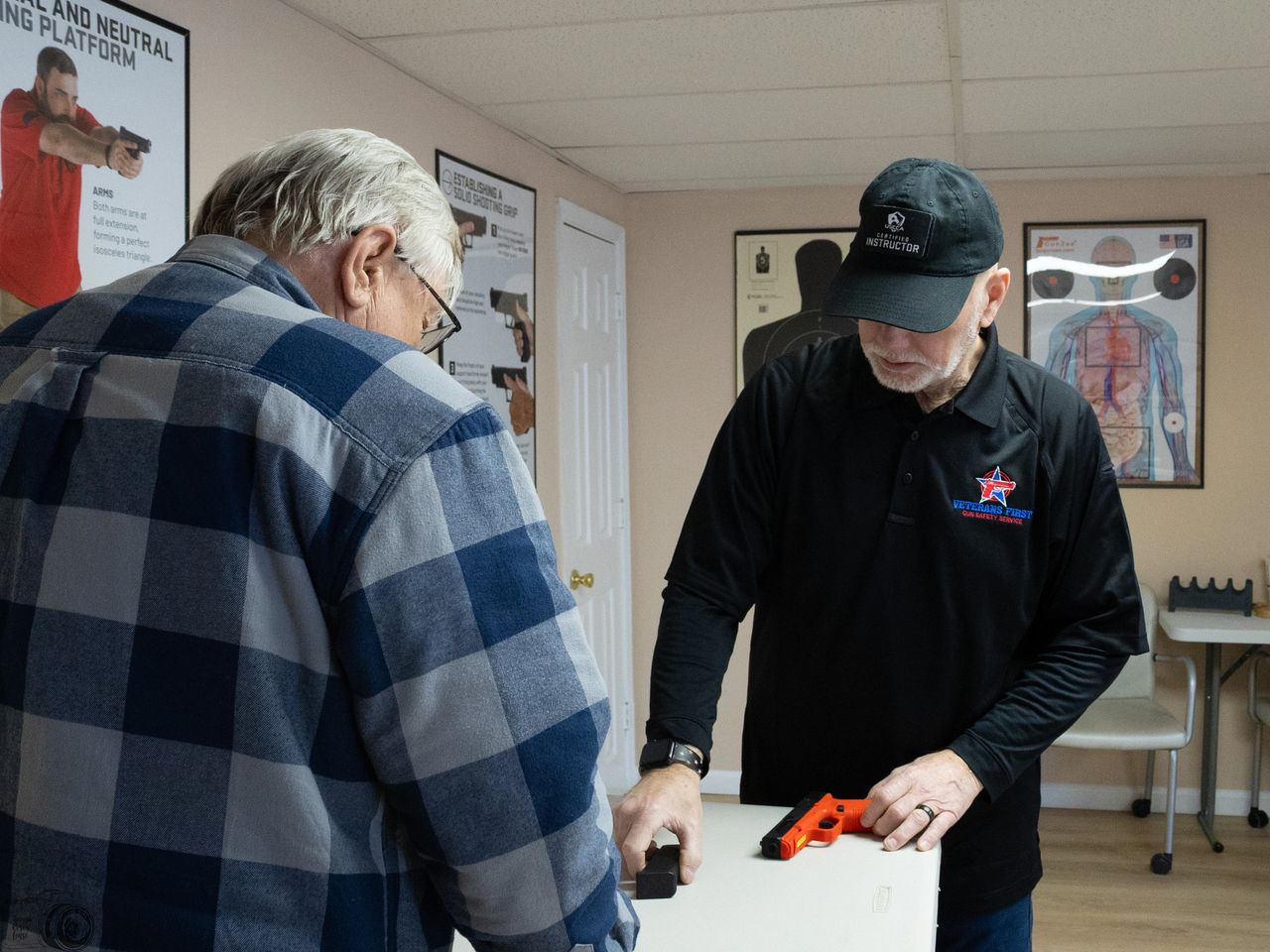
Pursuing professional safety training, attending community classes, and practicing under certified guidance provide valuable insights. Local training sessions and workshops offer practical tips and techniques for safe handling and storage.
What best practices apply when visiting public shooting ranges?
Always adhere to range guidelines by checking surroundings, using proper eye and ear protection, and confirming that firearms are unloaded until ready. This consistent vigilance promotes responsible behavior on the range.
How can families involve all members in firearm safety?
Including family members in safety planning, educational sessions, and practice drills ensures everyone understands proper handling. Open discussions about safety protocol strengthen overall community awareness.
Why is regular firearm maintenance important?
Routine cleaning and safety checks ensure each firearm operates reliably, reducing malfunction risks and extending the longevity of the weapon, all while reinforcing responsible ownership.
Staying Vigilant for a Safer Tomorrow
As you reflect on the many insights shared throughout this guide, remember that a lasting commitment to gun safety is rooted in continuous learning and vigilant practice. Embracing responsible ownership means not only understanding proper handling techniques and local regulations but also engaging in ongoing education to stay informed about evolving best practices. Reinforcing your safety habits can directly contribute to both personal security and community wellbeing, whether you’re in Essex, MD, or any other locale.
Key takeaways to integrate into your routine include:
Regularly review safety protocols to stay updated.
Participate in refresher courses and local training sessions.
Communicate with experienced peers for practical, real-world tips.
Maintain clear accountability by performing routine equipment checks.