My Blog
Alcohol and Guns Can Ruin the Celebration
March 17, 2026
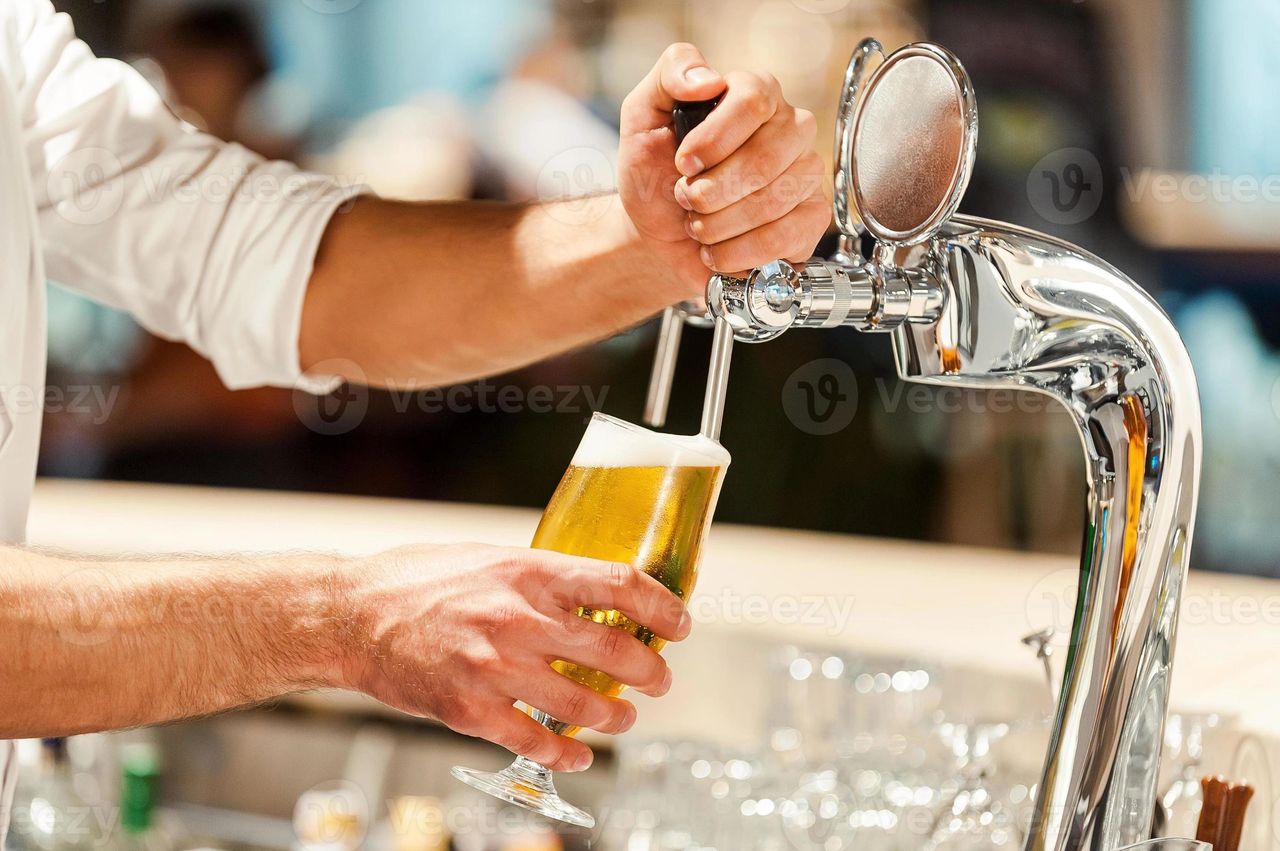
Alcohol and Guns: A Risky Mix
When Alcohol Clouds Your Judgment
Imagine a scenario where a moment of poor judgment could lead to irreversible consequences. Combining alcohol and firearms not only clouds rational thinking, but it also significantly increases the risk of accidents. The influence of alcohol impairs coordination and decision-making, turning a potentially controlled situation into a dangerous gamble. This introduction sets the stage for understanding why caution is critical when handling firearms, particularly in environments like Essex, MD, where responsible gun management is essential.
In this section, you will learn:
• Impacted Motor Skills: Alcohol slows down reaction times, making safe firearm handling nearly impossible.
• Diminished Focus: Reduced concentration can lead to misinterpretation of critical safety cues.
• Heightened Accident Risk: Errors amplified by alcohol can result in unintended discharges or collisions.
Throughout this guide, practical tips and actionable strategies are presented to help readers grasp the inherent dangers of mixing alcohol with firearms. By following these guidelines and consistently practicing safe handling measures, firearm enthusiasts can take vital steps toward preventing tragic outcomes. Prepare to delve into detailed discussions on risk mitigation and proactive safety measures designed to protect both individuals and communities.
7 Alarming Lessons from Alcohol and Gun Accidents
When recklessness meets impaired judgment, accidents happen. These seven real-life scenarios highlight dangerous patterns seen when alcohol and firearms intersect, offering crucial lessons for safer practices:
Impaired Decision-Making: Alcohol influences cognitive functions, often resulting in dangerously poor judgments when handling firearms. Even experienced individuals may struggle to assess risks properly, leading to unforeseen incidents.
Delayed Reaction Times: Under the influence, nerves slow, increasing the likelihood of unintentional discharges. In an improper setting even milliseconds can make a difference between control and chaos.
Accidental Discharges: Numerous situations have shown that non-deliberate trigger pulls, amplified by alcohol, can cause accidental firings, resulting in injuries or fatalities.
Compromised Aiming Precision: Intoxication clouds focus and coordination, making an accurate aim nearly impossible and escalating the risk of misfires.
Heightened Emotional Responses: Alcohol can intensify stress or aggression, which may lead to impulsive and unsafe firearm use.
Improper Handling of Safety Mechanisms: Alcohol impairs the routine checks and mindful practices essential for gun safety, leading to hazardous oversights.
Delayed Emergency Responses: In the aftermath of an incident, confusion and slower reaction times hinder effective crisis management, often worsening outcomes.
These insights emphasize that mixing alcohol and firearms breeds unpredictable risks. Always prioritize clear-headed responsibility and safety to avoid such preventable tragedies.
Understanding the Legal Landscape: Firearms and Impairment
When handling firearms, remaining sober is not just a safety measure, it’s also a legal imperative. Carrying a weapon while under the influence and in places strictly prohibited by law significantly increases legal risks. Law enforcement agencies view such behavior as irresponsible, and in many places MD, the repercussions can be severe. Legal penalties may range from fines to imprisonment, depending on the circumstances and prior offenses.
Key points for firearm safety include:
Zero Tolerance: Many jurisdictions enforce strict policies where intoxication negates any lawful right to carry a firearm.
Risk of Escalation: Impaired judgment can lead to dangerous decisions that not only compromise personal safety but also prompt legal actions.
Enhanced Scrutiny: Incidents involving alcohol and guns often trigger intense investigations, potentially leading to charges that extend beyond mere possession.
For those who rely on firearms for personal protection, understanding the legal implications is crucial. Maintaining a clear, sober mind ensures that you stay within the boundaries of the law and uphold safe practices. Always plan ahead and prioritize responsible behavior, ensuring that your actions contribute to a secure and legally compliant environment.
Stay Safe: A Step-by-Step Guide for Responsible Gun Ownership When Drinking
When enjoying a night out where alcohol is involved, managing firearm safety is paramount. Follow these actionable steps to ensure that your handling of a firearm remains responsible and secure.
Pre-Planning is Critical:
Before drinking, secure your firearm in a locked safe or designated storage area. Ensure that your gun is unloaded, and the ammunition is stored separately to reduce the risk of accidental use.Designate a Sober Guardian:
If you plan to drink, enlist a trusted, sober individual to oversee the firearm's safety. This person is responsible for keeping the gun secure and can intervene if any unsafe conditions arise.Clear the Environment:
Set up your space, especially in home environments or places where it is unlawful and prohibited, to prevent unauthorized access. Remove distractions and confirm that no one else who might be impaired has access to the firearm.Regular Review and Drill:
Periodically review your safety protocol. Practice drills that include locking techniques and emergency response steps to keep your mind sharp about responsible handling.