My Blog
2nd Grade Student in Maryland Brings Handgun to School
February 5, 2026
Unraveling a Shocking Maryland School Safety Incident
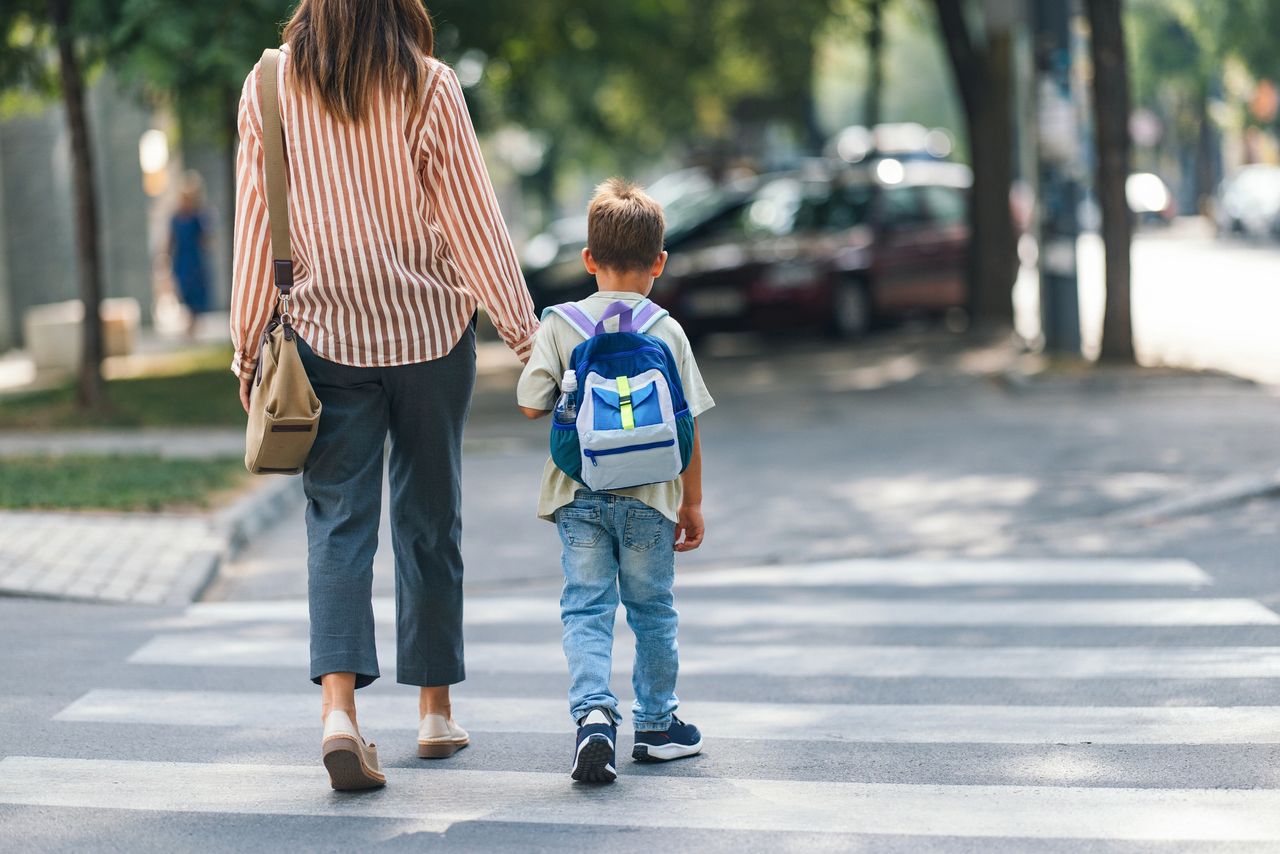
An unsettling event at at the Freetown Elementary School in Glen Burnie Maryland where a second grade student with a gun accidently shot himself inside a classroom Wednesday morning. Anne Arundel police reported that the child with the weapon injured his hand when the weapon discharge had accured. Fortunately none of the other students in the classroom were injured. This incedent is further proof that child safety in reguards to handguns should not be dismissed as my "child knows better than to play with my guns". The Anne Arundel County Police will be investigating how the child came into possesion of the firearm however it has been reported that the detectives workingb the case believe it was obtained from their home.
In this overview, we explore practical strategies to enhance student protection and ensure that
such events do not recur. Key points include:
Enhanced Supervision: Increasing adult presence in key areas can help prevent unauthorized access to dangerous items.
Community Engagement: Encouraging parents and local organizations to actively participate in safety education initiatives can lead to community-wide awareness.
Navigating Legal and Parental Responsibilities in Firearm Safety
Recent events have highlighted the importance of understanding legal and parental responsibilities when it comes to firearm safety at home and in public settings. In Maryland, ensuring that minors remain safe requires a comprehensive approach that integrates legal obligations with practical parenting strategies. Parents must be proactive by staying informed about local firearm laws and instituting clear, consistent guidelines for managing these tools.
Key steps include:
Understanding the Law: Familiarize yourself with state-specific regulations regarding firearm possession and storage, especially in homes where children and their friends may have access to their parents firearms.
Educating the Family: Regular discussions about gun safety along with age-appropriate training sessions can prevent accidents and misinterpretations.
Implementing Safe Storage Practices: Utilize secure storage solutions to ensure firearms remain inaccessible to children.
Engagement with Community Resources: Attend local workshops and leverage community programs designed to reinforce child safety and responsible handling.
By blending legal insights with parental diligence, families can cultivate a secure environment where firearm safety becomes a shared responsibility. This holistic approach not only minimizes risks but also fosters a culture of awareness and accountability that benefits the whole community.
Building a Safer Tomorrow Through Local Gun Safety Initiatives
Community engagement plays a crucial role in preventing unfortunate incidents and nurturing responsible firearm habits. In Maryland, numerous community-driven programs emphasize gun safety education by providing practical guidance and resource support. These programs target families and youth alike, aiming to foster a proactive mindset about firearm handling and secure storage.
Access to FREE gun locks from most public libraries in almost every county in Maryland.
Local safety initiatives offer a range of actionable strategies:
Interactive Workshops: Hands-on training sessions where participants learn how to operate firearm safety mechanisms and store guns securely.
Educational Seminars: Sessions designed for parents and educators to equip them with conversation starters and safety protocols, ensuring that children understand the risks and responsibilities associated with firearms.
Community Outreach: Joint efforts in local neighborhoods, in just about every Maryland County, promote continuous dialogue and share best practices to prevent potential risks.
By engaging in these educational programs, community members can build a resilient network focused on proactive prevention and responsible gun ownership. These initiatives not only address the immediate safety concerns but also lay the groundwork for a long-term culture of vigilance and respect for gun safety rules throughout Maryland.
Frequently Asked Questions on Firearm Safety and Child Access
Q1: How can families ensure firearms are stored securely at home?
A: Families should use lockable gun safes or lockboxes and store ammunition separately. Regular reviews of these practices help keep firearms out of reach of children.
Q2: What steps should be taken if a child accidentally finds a firearm?
A: Immediately secure the area and calmly explain that firearms are not for play. Parents should reinforce safety rules and consider professional guidance for further education.
Q3: How can parents start a conversation about gun safety with their children?
A: Begin with honest, age-appropriate discussions that emphasize respect and caution when handling firearms. Clear safety guidelines and supervised demonstrations can reinforce these lessons.
Q4: Are there local training programs in Maryland that offer firearm safety education?
A: Yes, several community-based programs in Maryland provide practical, hands-on training that aligns with secure storage and safe handling practices.
Q5: What precautions can schools take when addressing potential firearm access?
A: Schools should implement strict entry protocols, encourage immediate notification of safety concerns, and maintain ongoing safety drills to ensure a secure educational environment.
Q6: How does regular safety training benefit both families and communities?
A: Consistent training reinforces good habits, builds confidence, and helps create a safer community environment for everyone.
Final Reflections on Strengthening School Safety
In light of recent events and the ongoing challenges faced by schools, it is clear that proactive measures are essential to prevent firearm-related incidents. As communities across Maryland work to ensure the safety of their children, it’s important to reflect on the key elements discussed throughout this update. By reinforcing secure storage practices, thorough education, and consistent protocol reviews, we can pave the way for safer environments.
Key action steps include:
Evaluating current safety measures: Regular assessment of school protocols to identify potential gaps.
Implementing structured training: Providing hands-on, age-appropriate training to ensure everyone understands vital safety procedures.
Engaging local resources: Collaborating with community experts and utilizing local safety programs to build comprehensive strategies.